An Strategic Ingredient! From New York to Dubai, All Around The World!
For thousands of years, dates have been cultivated across the Middle East, North Africa, and parts of South Asia. Ancient civilizations — from Mesopotamia to Persia — valued dates not only for their sweetness but also for their role as a high-energy, nutrient-dense food. Date Paste, in particular, was a convenient way to store and transport this fruit without spoilage, making it a key staple in desert trade routes and nomadic diets. its legacy continues to grow — and among the many ways this fruit is enjoyed, Date Paste stands out as one of the most versatile and valuable forms.
Date Paste is exactly what its name suggests: a smooth, dense, naturally sweet product made entirely from ripe Dates that have been cleaned, pitted, and gently ground into a uniform texture. Yet behind that simple description lies a story of tradition, nutrition, and modern innovation.
Historically, communities living along trade routes relied on Date Paste as a way to preserve the energy and sweetness of fresh Dates long after the harvest. In desert caravans, it could be stored without refrigeration, carried over great distances, and used as both food and barter. It was not merely a treat but a survival food — compact, rich in energy, and resistant to spoilage. In many Middle Eastern households, Date Paste was the base for traditional sweets, a filling for breads, and even a medicinal remedy mixed with herbs or spices.

In today’s kitchens, the role of Date Paste has expanded far beyond tradition. It is embraced by chefs, bakers, and health-conscious consumers worldwide for its ability to replace refined sugar while offering a richer, more complex flavor. Unlike processed sweeteners stripped of their natural components, Date Paste retains the fruit’s original fiber, minerals, and phytonutrients. This means it delivers not only sweetness but also potassium for heart health, magnesium for muscle function, and antioxidants that help combat oxidative stress in the body.
Its flavor is naturally deep and caramel-like, making it ideal in pastries, smoothies, sauces, and confections. For manufacturers, it serves as both a sweetener and a binder in energy bars, breakfast cereals, and plant-based desserts. For home cooks, it offers a way to create naturally sweet recipes without resorting to refined sugar or artificial additives. In baby food, it provides gentle sweetness paired with valuable nutrients, supporting early taste development in a healthy way.
From a market perspective, the rise of Date Paste reflects a broader shift in global food trends. As consumers become more aware of the health risks associated with excessive refined sugar, they are actively seeking natural alternatives that align with clean-label principles. Date Paste fits perfectly into this demand: it is plant-based, minimally processed, and free from chemical additives. In countries where sugar taxes and reformulation laws are in effect, it is increasingly considered a strategic ingredient for product developers.
The environmental story of Date Paste is also worth telling. Date palms are remarkably resilient plants that thrive in arid climates, often on land unsuitable for other crops. They can produce high yields with relatively low water consumption compared to many fruit trees. For rural farming communities, especially in the Middle East and North Africa, date cultivation provides vital income and preserves agricultural heritage. Using surplus or slightly imperfect Dates for paste production also reduces food waste, making it a sustainable choice from field to factory.
What makes Date Paste especially exciting today is its ability to bridge the gap between cultural heritage and modern innovation. In one sense, it carries the memory of ancient oases, bustling souks, and family kitchens where recipes were passed down through generations. In another sense, it is a forward-looking ingredient that aligns perfectly with the global push toward health, sustainability, and authenticity in food.
Choosing Date Paste is more than a matter of taste. It is an embrace of natural sweetness over industrial refinement, a vote for sustainable agriculture, and a reconnection with a food tradition that has sustained humanity for millennia. Whether blended into a smoothie in New York, spread on bread in Paris, or folded into a pastry in Dubai, it brings the same gift: wholesome energy, rich flavor, and a link to one of nature’s oldest cultivated treasures.
In the evolving landscape of food manufacturing, where clean labels, functional nutrition, and sustainable sourcing are becoming essential rather than optional, Date Paste is emerging as a versatile and strategic ingredient. Its value lies not only in its natural sweetness but also in its functional, nutritional, and market positioning advantages.
Date Paste is produced by milling ripe, pitted dates into a uniform, thick paste, retaining the fruit’s full spectrum of natural sugars, fibers, minerals, and phytochemicals. Unlike refined sweeteners, which undergo extensive chemical processing, Date Paste remains close to its original form, preserving both flavor complexity and nutrient density. This minimal processing aligns with the food industry’s increasing focus on transparency, authenticity, and consumer trust.
For product developers, Date Paste offers multiple functional roles in formulation. It acts as a natural humectant, helping maintain moisture in baked goods and confections, thereby extending shelf life without synthetic preservatives. Its viscosity provides binding properties in energy bars, granolas, and snack clusters, reducing the need for additional syrups or gums. In frozen desserts and dairy alternatives, it contributes body and creaminess while delivering a distinct caramel-like sweetness that pairs well with both sweet and savory flavor profiles.
Nutritionally, Date Paste differentiates itself from traditional sweeteners by contributing intrinsic value to the final product. Its fiber content supports digestive health claims, while its potassium, magnesium, and polyphenol content enable positioning in functional food categories. The balance of glucose and fructose ensures a steady energy release, which is particularly appealing in sports nutrition, wellness snacks, and breakfast products. This dual role — as both a sweetener and a source of essential nutrients — allows brands to justify premium positioning and meet rising consumer demand for “better-for-you” formulations.
Market trends strongly favor ingredients like Date Paste. As regulatory measures around the world target added sugars, many manufacturers are reformulating to reduce refined sugar content without compromising taste or texture. Date Paste, classified in many jurisdictions as a fruit ingredient rather than an added sugar, offers a compliance-friendly pathway to meeting these requirements. This is particularly advantageous in regions with strict labeling laws, sugar taxes, or nutritional scoring systems such as Nutri-Score in the EU.
Sustainability adds another dimension to Date Paste’s appeal. Date palms thrive in arid and semi-arid climates, often utilizing land and water resources that are less suitable for other crops. Many processors now incorporate surplus or lower-grade dates — which would otherwise go to waste — into paste production, reducing post-harvest losses and improving overall crop utilization. This supports both environmental goals and supply chain efficiency, aligning with the corporate responsibility targets of major food brands.
From a sourcing perspective, premium Date Paste depends heavily on origin and variety. Persian Dates, for instance, are valued for their deep, rich flavor and balanced moisture content, which translates to consistent paste quality and processing performance. Industrial buyers seek not only sensory excellence but also reliable supply, traceability, and adherence to food safety standards such as IFS, FSSC22000, HACCP, ISO, and ORGANIC certification. Ensuring year-round availability through strategic partnerships with growers and processors is critical for large-scale production planning.
The versatility of Date Paste also supports product innovation across categories. In bakery, it serves as both a flavor enhancer and a sugar replacer. In plant-based beverages, it functions as a natural sweetener while masking the bitterness of certain protein sources. In sauces and marinades, its inherent caramel notes complement savory spices, enabling new flavor developments for global cuisine-inspired products. Its clean-label profile allows manufacturers to incorporate it without compromising ingredient declarations, making it ideal for premium, artisanal, or functional product lines.
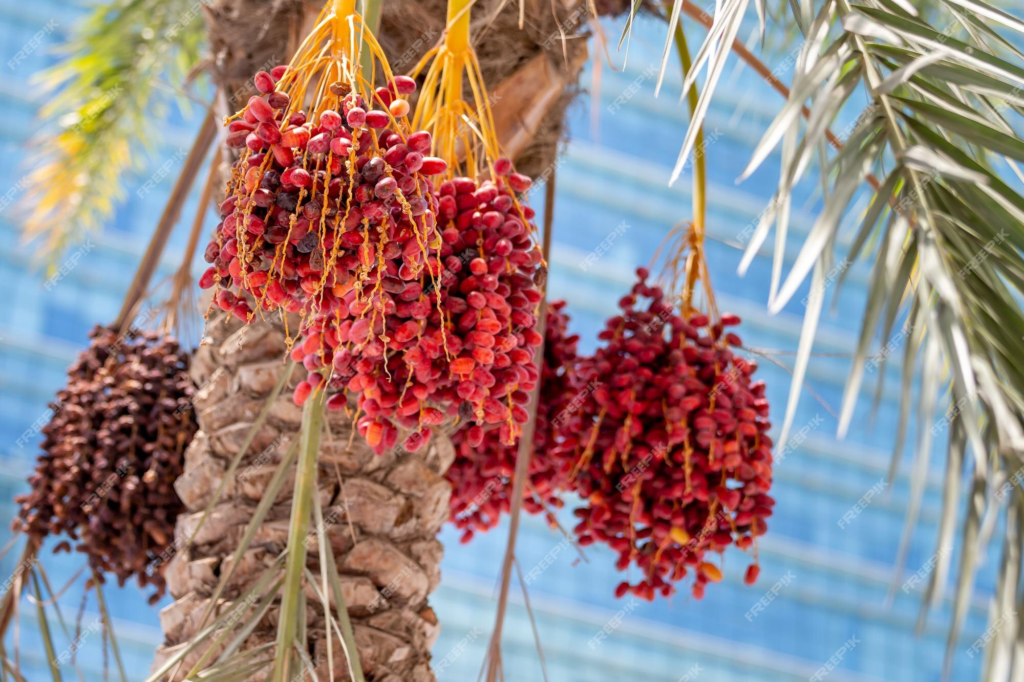
In the competitive global food industry, ingredients that combine consumer appeal, functional performance, and sustainable sourcing are rare. Date Paste checks all three boxes. For manufacturers, it represents an opportunity to reformulate existing products to meet emerging regulations, differentiate in crowded markets, and lead in the shift toward naturally sweetened, nutrient-rich foods. For ingredient buyers, it offers a supply chain anchored in long-standing agricultural traditions but ready to meet modern scalability demands.
The continued rise of plant-based and health-oriented markets suggests that Date Paste is not a passing trend but a long-term growth ingredient. For forward-thinking brands, integrating Date Paste into product portfolios is both a market-responsive and strategically future-proof decision.
Regulatory Classification by Region
The classification of Date Paste can vary across jurisdictions, which has implications for labeling, taxation, and marketing claims.
European Union (EU) – Date paste is generally considered a fruit ingredient, not an “added sugar,” under current definitions. This can positively impact Nutri-Score ratings and compliance with front-of-pack labeling.
United States (FDA) – If used as an ingredient, Date Paste may still be declared as an “added sugar” depending on the application. Still, it retains the consumer-friendly positioning of being a natural, whole-fruit sweetener.
Middle East & North Africa – Often classified within the fruit or traditional ingredient category, with long-standing acceptance in bakery, confectionery, and traditional foods.
Asia-Pacific – Varies by country; in many markets, its classification supports “natural” and “no artificial sweetener” claims.
Sugar Tax Jurisdictions – In certain regions with sugar taxation policies (UK, parts of Asia), Date Paste can help reduce the taxable added sugar content, depending on the formulation strategy.
Understanding these regional nuances allows manufacturers to maximize the ingredient’s marketing and regulatory advantages.
Sensory and Functional Profile:
High-quality Date Paste exhibits a naturally rich, caramel-like sweetness with subtle fruity undertones. Texture is thick and spreadable, providing both body and mouthfeel to formulations.
From a functional standpoint, Date Paste:
Acts as a natural humectant, preserving moisture and extending shelf life.
Functions as a binder in snack bars, granola clusters, and confections.
Contributes color and flavor complexity, reducing the need for artificial flavorings or caramel coloring.
Enhances viscosity in sauces, marinades, and beverage bases.
The selection of variety — such as Persian Sayer, Mazafati, Piarom, or Deglet Noor — influences sweetness intensity, moisture content, and color profile, allowing tailored performance for different product categories.
Cost and Supply Considerations:
When evaluating sweeteners, cost-per-sweetness-unit is often the primary measure. While Date Paste may have a higher price point than refined sugar per kilogram, its multi-functional role can offset formulation costs by reducing the need for additional binders, colorants, or flavor enhancers.
Supply stability is also a critical factor. Global Dates production exceeds 9 million metric tons annually, with consistent year-on-year growth. Major producers include Iran, Egypt, Saudi Arabia, UAE, and Tunisia. Rezenti Foods’ sourcing model is anchored in direct relationships with Persian growers and processors, ensuring consistent quality and reliable delivery schedules for industrial clients.
Market Trends and Growth Outlook:
The demand for Date Paste is being driven by three converging trends:
Clean Label Movement – Consumers are scrutinizing ingredient lists and seeking simple, recognizable components. Date Paste delivers sweetness without synthetic additives, supporting transparent labeling.
Sugar Reduction Mandates – Regulatory pressure to reformulate is increasing. Date Paste offers a natural alternative that maintains taste integrity.
Plant-Based and Functional Foods – As a fruit-derived sweetener with nutritional benefits, Date Paste aligns with vegan, vegetarian, NON GMO, and functional product positioning.
Industry analysts project a steady compound annual growth rate for the global natural sweeteners market, with Date-based products expected to expand their share due to improved processing technology, better supply chains, and rising consumer familiarity in Western markets.
Applications Across Food Categories
Bakery & Confectionery – Natural filling for pastries, binder in cereal bars, flavor enhancer in cookies and brownies.
Dairy & Plant-Based Alternatives – Sweetener and texture enhancer in yogurt, ice cream, oat milk, and almond milk formulations.
Beverages – Ingredient in smoothies, health drinks, and functional beverages targeting sports and wellness markets.
Sauces & Condiments – Natural thickener and sweetener for barbecue sauces, ketchups, chutneys, and marinades.
Infant & Medical Nutrition – Gentle, nutrient-rich sweetener suitable for baby foods and specialized diets.
Date Paste stands at the intersection of consumer preference, functional performance, and sustainable sourcing. For the global food industry, it offers a rare opportunity to reformulate existing products, create innovative offerings, and meet emerging regulatory and ethical expectations.